When AI Images Work Best
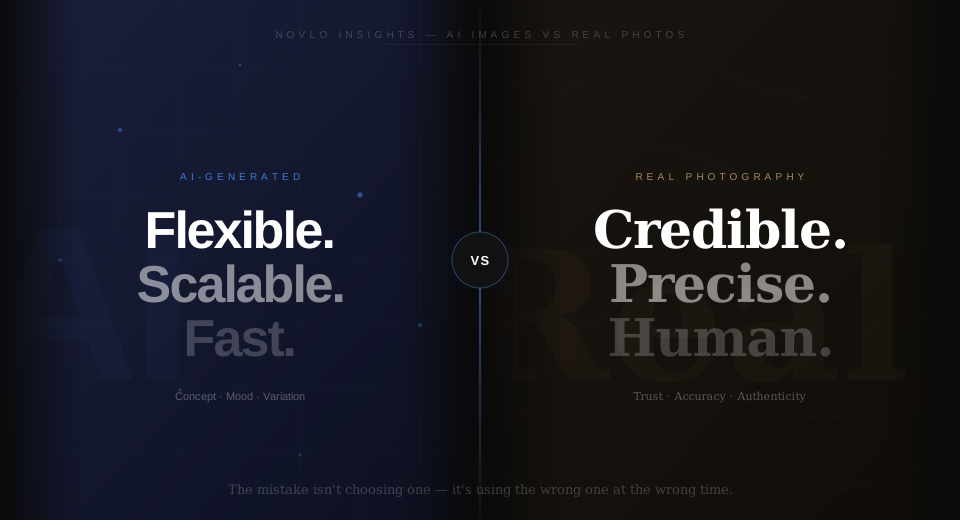
AI images are strongest when flexibility and speed matter more than absolute realism.
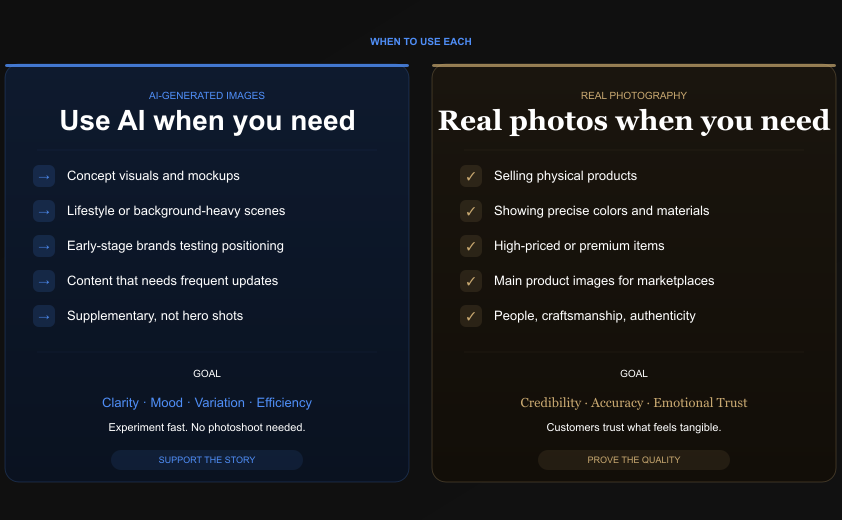
They work well for:
- Concept visuals and mockups
- Lifestyle or background-heavy scenes
- Early-stage brands testing positioning
- Content that needs frequent updates
- Supplementary images, not the hero shot
AI allows you to experiment quickly without committing to expensive photoshoots.
Use AI images when the goal is: clarity, mood-setting, variation, and efficiency.
When Real Photos Are Essential
There are moments where real photography is non-negotiable.
You should prioritize real photos when:
- Selling physical products where texture matters
- Showing precise colors, materials, or details
- Building trust for high-priced or premium items
- Creating main product images for marketplaces
- Representing people, craftsmanship, or authenticity
Customers trust what feels tangible. When accuracy is critical, real photos do the heavy lifting.
Use real photos when the goal is: credibility, accuracy, and emotional trust.
How Using the Wrong One Hurts Conversion
Problems don't come from AI itself — they come from misuse.
AI images used where realism is required can:
- Look artificial
- Create doubt
- Reduce perceived value
Real photos used where flexibility is needed can:
- Slow down updates
- Increase costs
- Limit experimentation
Mismatch creates friction, and friction kills conversion.
The Hybrid Approach Works Best
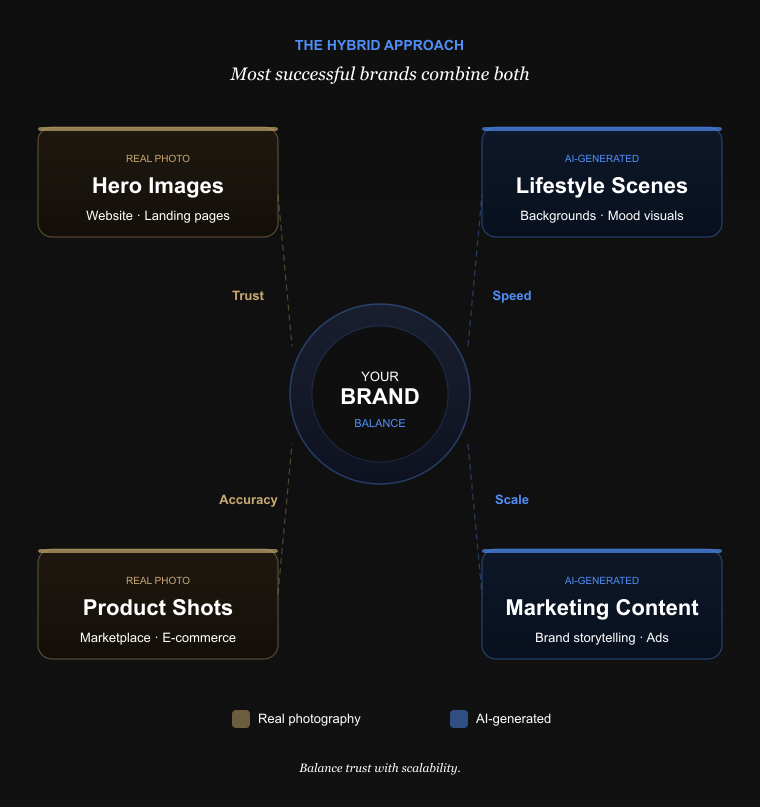
Most successful brands don't choose one — they combine both.
A common structure:
- Real photos for core product and hero images
- AI images for lifestyle scenes, backgrounds, and marketing variations
- Real images for marketplaces
- AI images for brand storytelling and content
This approach balances trust with scalability.
How to Decide: A Simple Rule
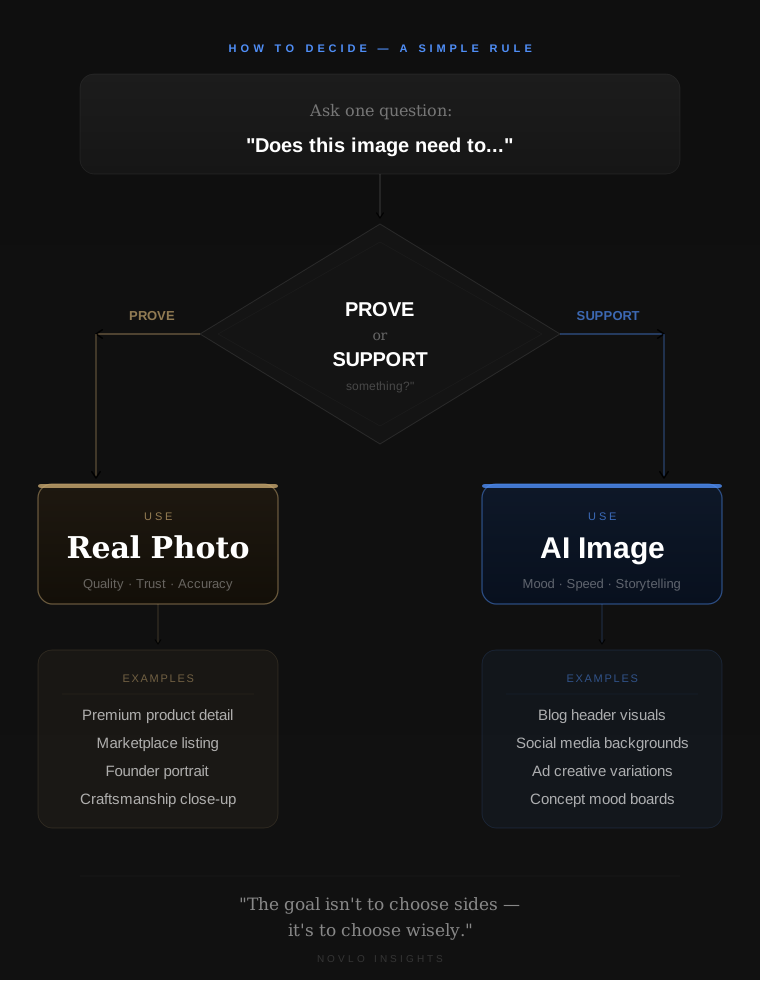
Ask one question:
Does this image need to prove something, or support something?
- If it needs to prove quality, authenticity, or accuracy → use real photos
- If it needs to support mood, context, or storytelling → AI works well
The clearer the role of the image, the better the result.
Final Thoughts
AI images aren't replacing real photography. They're changing how brands allocate resources.
Used intentionally, AI reduces cost and increases flexibility. Used carelessly, it erodes trust.
The goal isn't to choose sides — it's to choose wisely.